

What does one batch really cost?
A worked example that puts ingredients, packaging and your time on the same page.
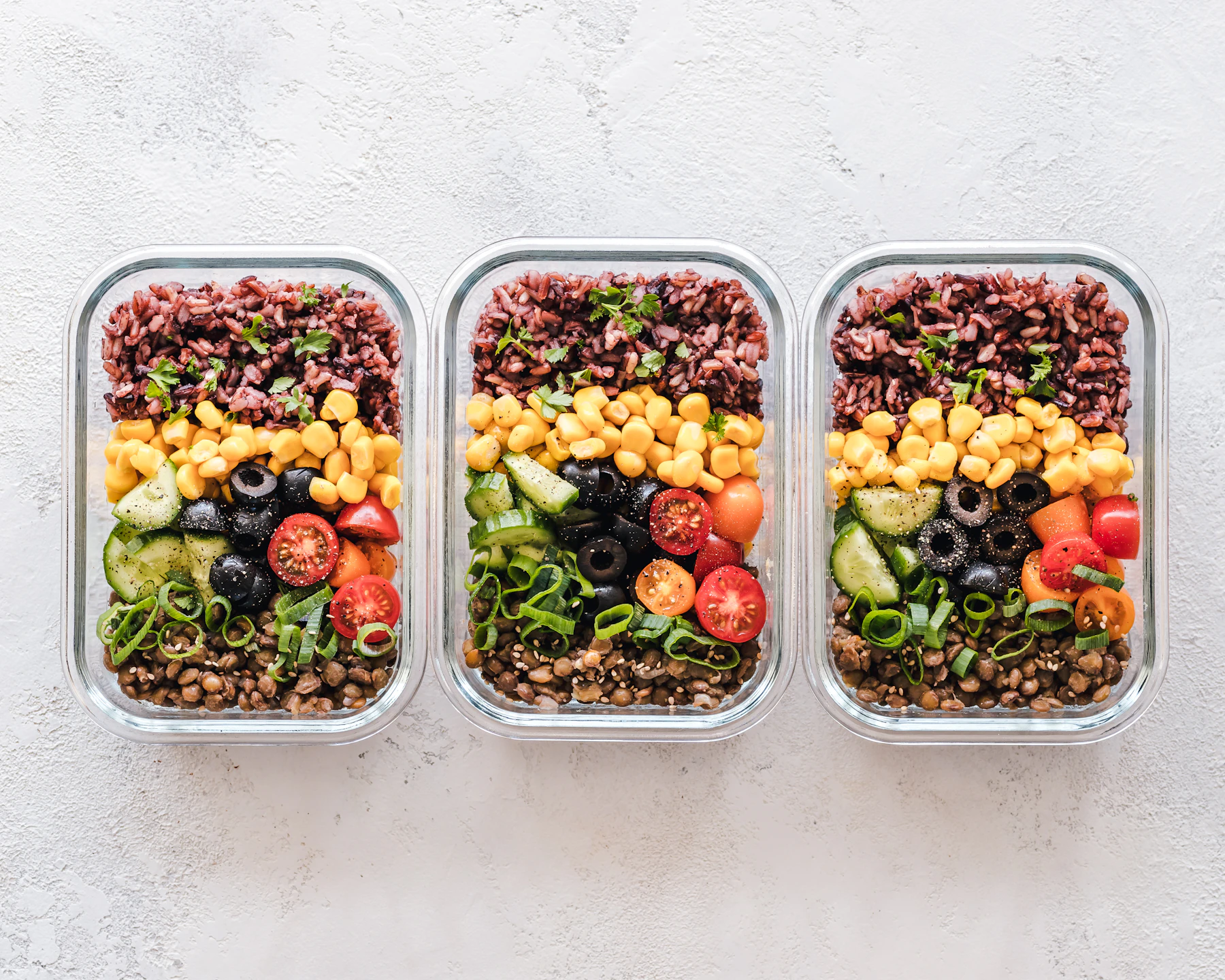
The ingredients are often the easiest part of a batch to price. The harder part is remembering everything around them: the containers, the shopping trip, the time spent answering messages and the cleanup after the last order leaves. A batch can bring money into the business while still paying you less for your time than you intended.
Start with one repeatable offering and write down the assumptions. The example below is invented for planning practice. Its quantities, prices and hourly allowance are not market benchmarks or a recommendation for what you should charge.
Put the whole batch on one page
Imagine a batch that produces 12 saleable portions. The ingredients used cost $36. Containers and labels cost $9. You allow $30 for two hours of your own work, and set aside $6 toward other running costs. That makes the planned batch cost $81, or $6.75 per portion if all 12 portions sell.
Keep the unit beside every number. If a bag costs $10 and the recipe uses one fifth of it, the ingredient cost for that batch is $2. Buying the bag still requires $10 in cash; the remaining $8 belongs to ingredients you have not used yet. Confusing the receipt total with the recipe cost can make one batch look unusually expensive and the next look almost free.
Use the number you can actually sell
The denominator matters. If the same $81 batch produces only 10 saleable portions, the cost becomes $8.10 per portion. If it produces 12 but you sell only 10, the $81 still needs to be covered by those sales unless the remaining portions can genuinely contribute to another sale.
Write down the actual yield after the batch. Include a note about anything that changed: portion size, an ingredient substitution, damaged packaging or a longer preparation time. A useful cost sheet becomes more accurate as you use it.
Leave room for the costs you have not entered
At an invented selling price of $10 each, 12 sales bring in $120. Subtracting the $81 planned cost leaves $39 before any costs missing from the example. That remainder is not automatically take-home profit. Payment charges, transport, rent and other expenses may still need to be included for your business.
An unknown cost should remain marked as unknown. If you do not yet know a packaging price, write “quote needed” instead of zero. The gap is a task to finish before relying on the total.
Compare your plan with one real batch
After the sale, compare three things: what you used, how long the work took and how much you actually sold. Count ordering, packing and cleanup time as well as hands-on preparation. Use the same boundaries each time so the comparison means something.
You may find that a smaller menu, a different pack size or one pickup window makes the work easier to repeat. Change one assumption, calculate it again and check it against the next batch. The goal is a number you can explain, with enough detail to see what would improve it.